Aurelian Walls & Early Sieges – 410 Plunder and 537 Defense
Castel Sant'Angelo’s early fortress identity: integration into Aurelian walls, 410 Visigoth sack of tombs, and statue-barricades during Vitiges’ 537 assault.
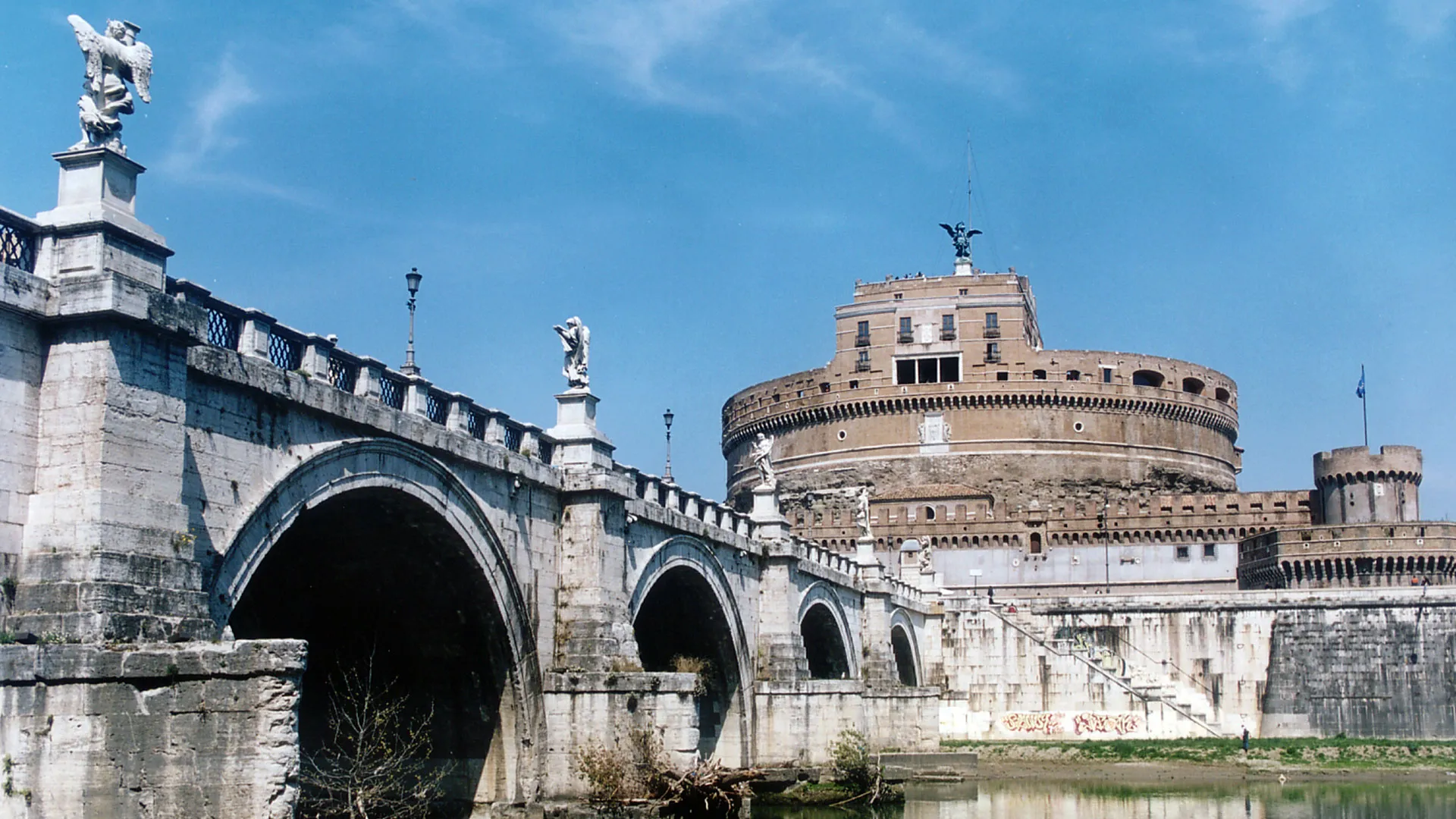
The mausoleum’s survival is tied to utility. Once folded into Aurelian’s 3rd-century wall system, it turned from memorial to military node.
1. Strategic Reorientation
- River crossing + bridge control = critical choke point.
- High, thick masonry drum provided anchor for watch and response.
2. 410: Alaric and the Visigoths
Plunder was swift; urns looted, ashes scattered—centuries of dynastic memory destroyed in days. The mausoleum endured as structure, but not as sanctum.
3. 537: Vitiges and the Ostrogoths
Procopius recounts defenders hurling statues and marble fragments from the heights. Art became ammunition—a literal weaponizing of heritage.
4. Lessons in Resilience
- Cultural value alone rarely saves monuments; strategic usefulness does.
- Each siege re-scripted the building’s identity, hardening it for future eras.
5. What to Look For Today
- Mass-to-opening ratio of lower levels—born for endurance.
- Lines of sight from bridge to drum: visualize command of river approaches.
Bottom Line
Integration into Rome’s defenses both wounded and preserved the mausoleum—sacred memory gave way to survival logic.
Over de auteur

Telmo Rolando
Deze onafhankelijke redactionele gids vat officiële bezoekersinformatie en erkende historische bronnen samen zonder een band met Castel Sant'Angelo of het Italiaanse ministerie van Cultuur te claimen.
Tags
Comments (0)
Loading comments...