Aurelian Walls & Early Sieges – 410 Plunder and 537 Defense
Castel Sant'Angelo’s early fortress identity: integration into Aurelian walls, 410 Visigoth sack of tombs, and statue-barricades during Vitiges’ 537 assault.
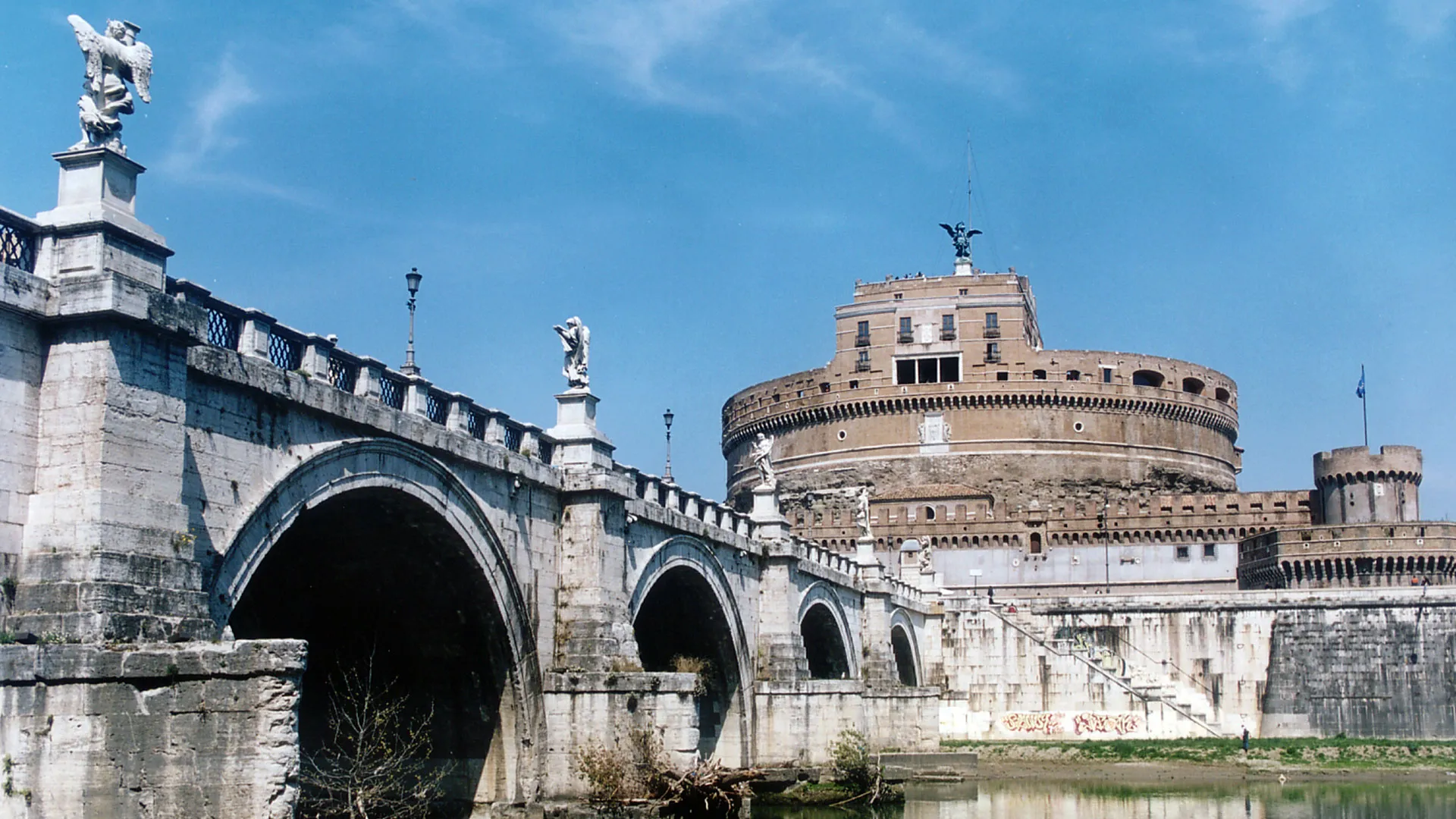
The mausoleum’s survival is tied to utility. Once folded into Aurelian’s 3rd-century wall system, it turned from memorial to military node.
1. Strategic Reorientation
- River crossing + bridge control = critical choke point.
- High, thick masonry drum provided anchor for watch and response.
2. 410: Alaric and the Visigoths
Plunder was swift; urns looted, ashes scattered—centuries of dynastic memory destroyed in days. The mausoleum endured as structure, but not as sanctum.
3. 537: Vitiges and the Ostrogoths
Procopius recounts defenders hurling statues and marble fragments from the heights. Art became ammunition—a literal weaponizing of heritage.
4. Lessons in Resilience
- Cultural value alone rarely saves monuments; strategic usefulness does.
- Each siege re-scripted the building’s identity, hardening it for future eras.
5. What to Look For Today
- Mass-to-opening ratio of lower levels—born for endurance.
- Lines of sight from bridge to drum: visualize command of river approaches.
Bottom Line
Integration into Rome’s defenses both wounded and preserved the mausoleum—sacred memory gave way to survival logic.
저자 소개

Telmo Rolando
이 독립 편집 안내서는 공식 방문 정보와 신뢰할 수 있는 역사 자료를 요약하며 산탄젤로 성 또는 이탈리아 문화부와의 제휴를 주장하지 않습니다.
Tags
Comments (0)
Loading comments...